
Foundation repair
When a slab corner drops or a crack runs up the low wall your house sits on, we find what's moving, because a repair that ignores the cause cracks again.
Mastercraft Fresno Concrete and Masonry builds and repairs block walls, brick, stone, chimneys, walkways and pavers for homes in Parlier, CA. We're a Fresno masonry contractor, and our own crew does the work, with a lead mason on site.
Parlier is a small farm city southeast of Fresno, with orchards and vineyards running right up to its edges. What we're called for here is much like what we see next door in Fowler and Selma: block walls along a back fence, brick steps and planters with sandy joints, and walks that have settled.
What moves the price is how much old work has to come out, how big the job is, the footing it needs and whether you pick block, brick or stone. The schedule mostly turns on the weather and on any permit the job needs. Your own number comes from the estimate, in writing, once I've seen the job. On the older houses in the middle of the city, the mortar is usually softer than what's sold today, so we match it instead of patching with something harder that cracks the brick. On newer lots the ground can change from one yard to the next, so I want to see what's under yours before we size a footing.
I ran crews on big commercial block and brick jobs in Fresno before going out on my own in 2013, and that same discipline comes to every house we work on.
The footing, the drainage and the mortar mix are the parts you can't see once we leave, and they decide whether a wall stays straight and solid.
Our own crew builds your job, with a lead mason running it on site, so there's someone at your house who knows the plan we talked through at the estimate.
When a slab corner drops or a crack runs up the low wall your house sits on, we find what's moving, because a repair that ignores the cause cracks again.
Loose top bricks, open joints or a cracked crown, the concrete cap on top, let water into a chimney, so we rebuild what's failed and leave sound brick alone.
When a whole wall's joints are worn, we cut them back and refill with a mix matched to the old mortar, then finish the lines clean and even.
Spalling bricks, the ones with a flaking face, get cut out and replaced with a close match, set in mortar softer than the brick so the joint takes the wear.
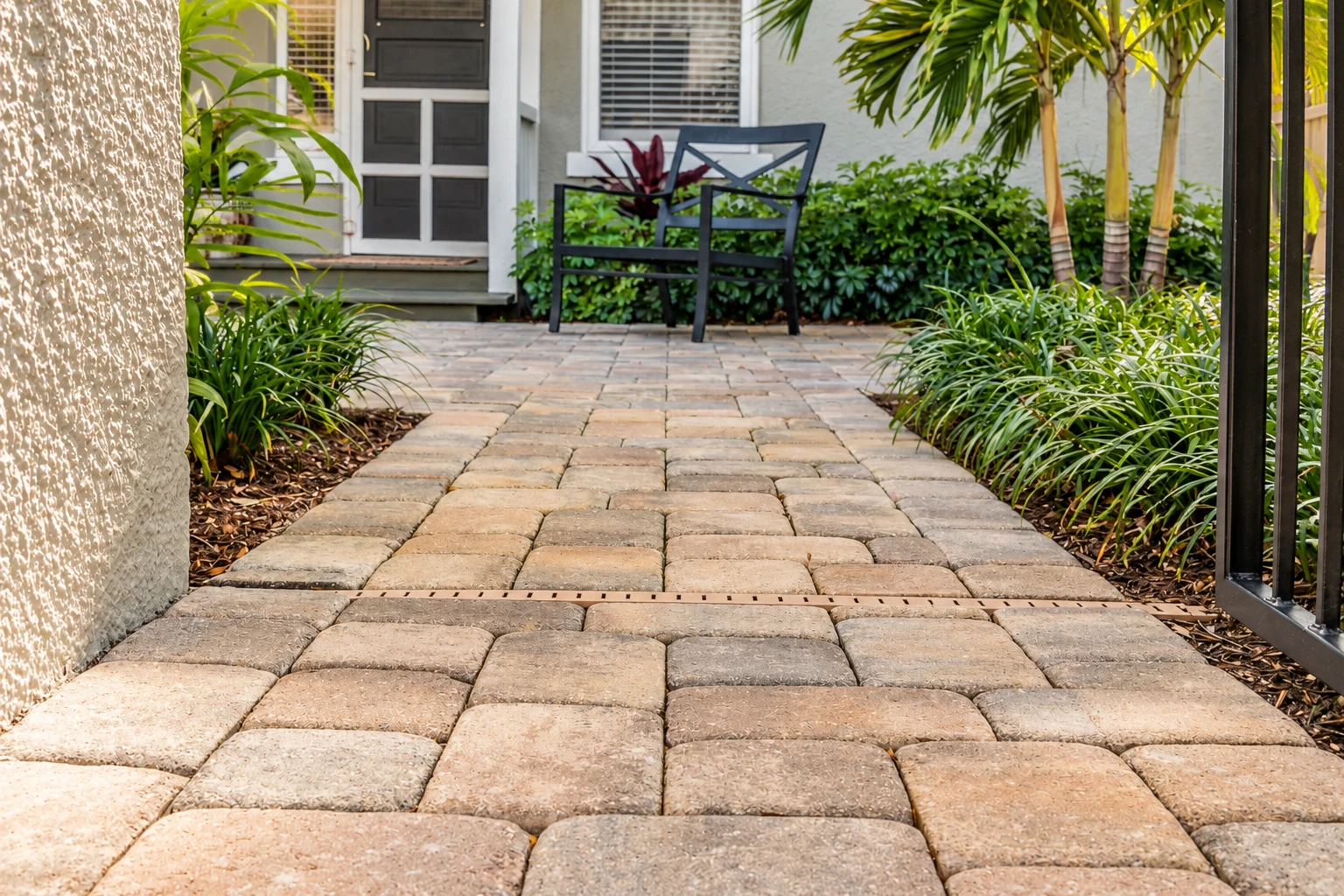
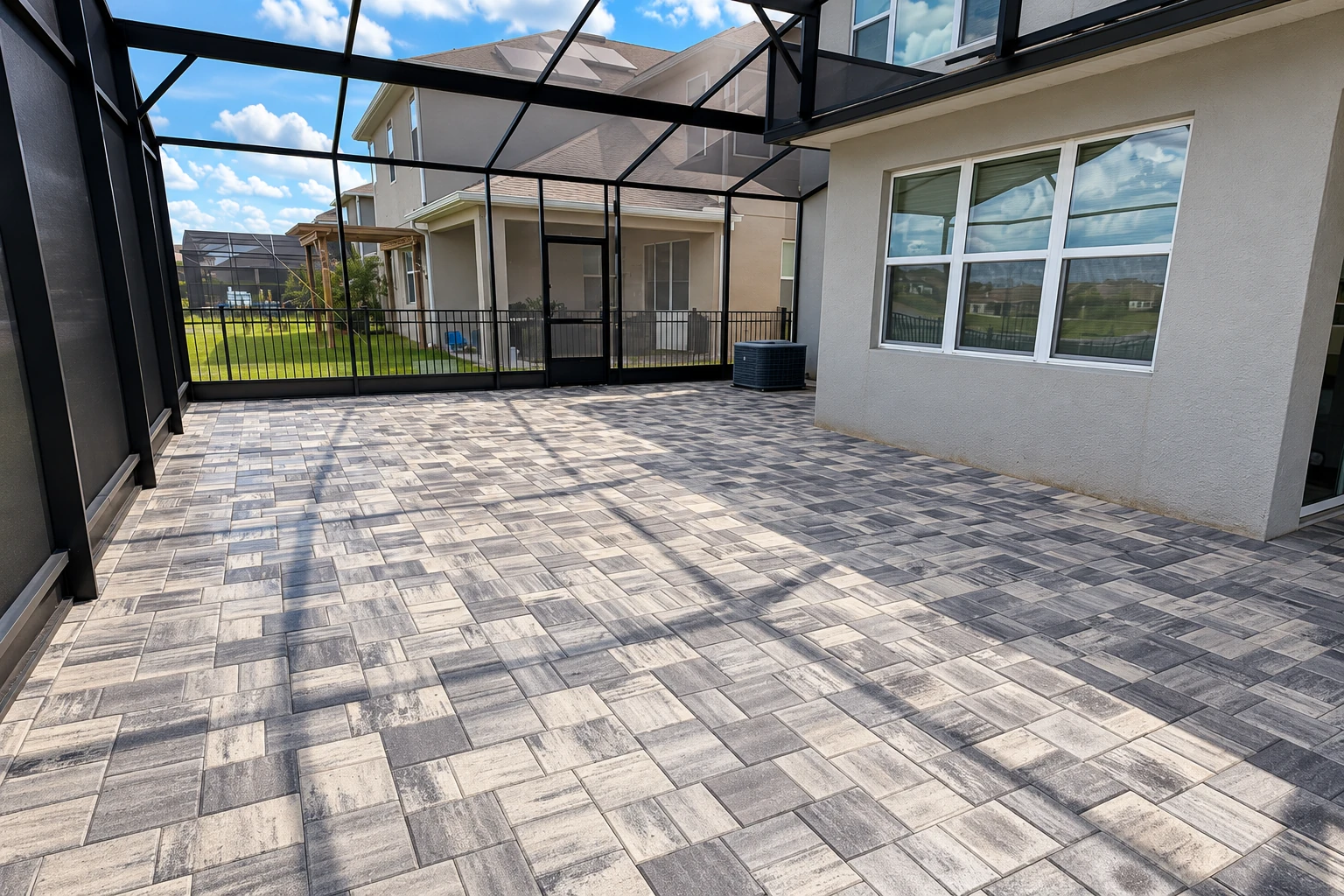
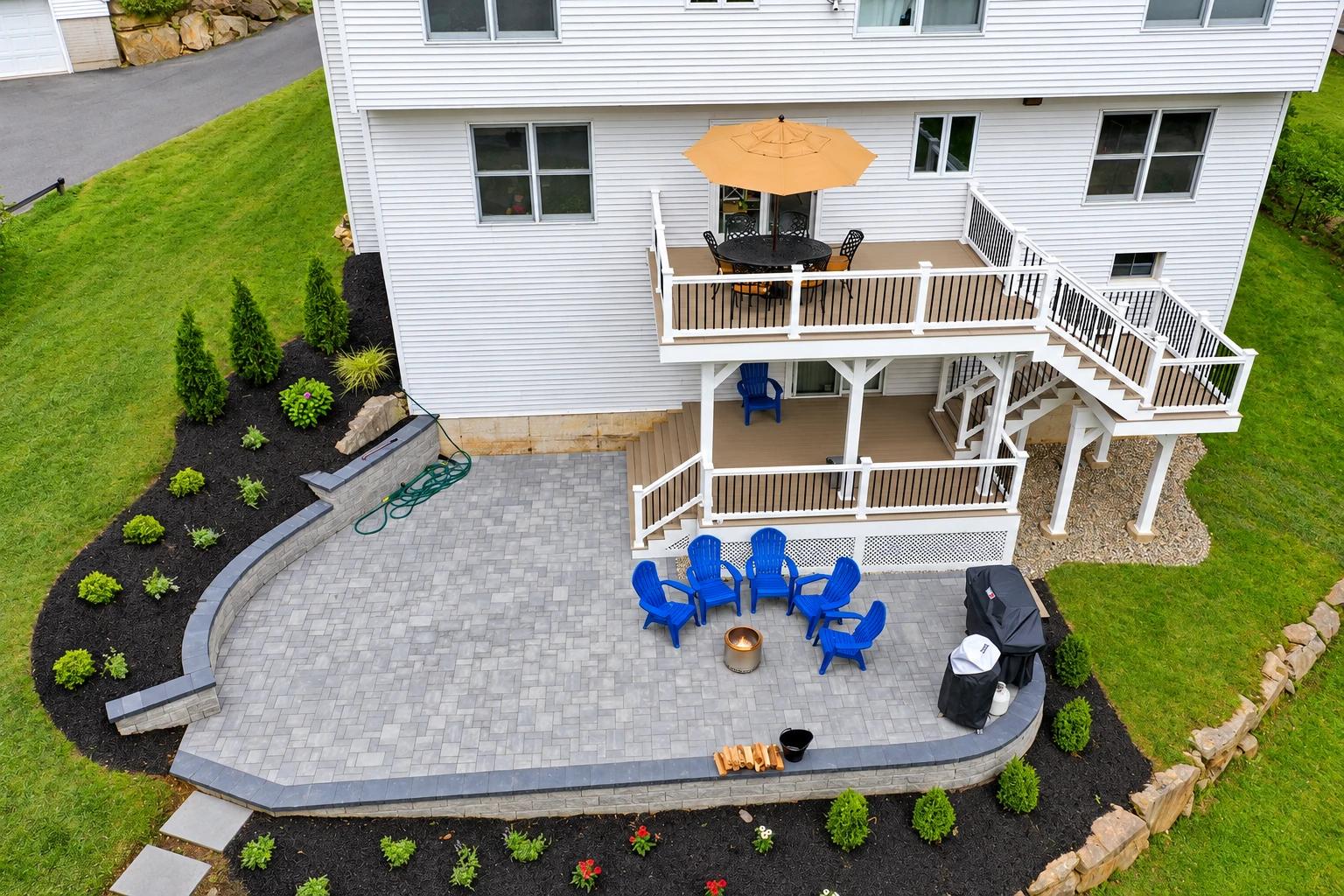
Pavers last on what's under them, so we dig out, pack the gravel base in layers and set tight edges before the first paver goes down.
Where a yard steps down or soil is pushing on a fence, we build on a footing with drainage behind it, since trapped water tips most failed walls.
For older brick and stone that's been patched for years, we sort out what's sound, take out the bad repairs and rebuild so the work matches the original.
We lay up brick or stone fireplaces and surrounds, and work out the hearth, firebox and chimney together at the estimate so the pieces fit your room.
Thin stone on a wall or column needs a sound backing and a path for water behind it, so we get the wall ready before setting any stone.
Property-line walls are a common call around here, and we set them on a proper footing with steel and grout run through the block so they stay straight and solid.
For additions, raised floors and garages, we lay the block that carries the weight on a footing sized to the load and the ground we find when we dig.
We build grill islands and counters in block, brick or stone, and plan the openings for gas, power and water before we lay up, so nothing gets cut in later.
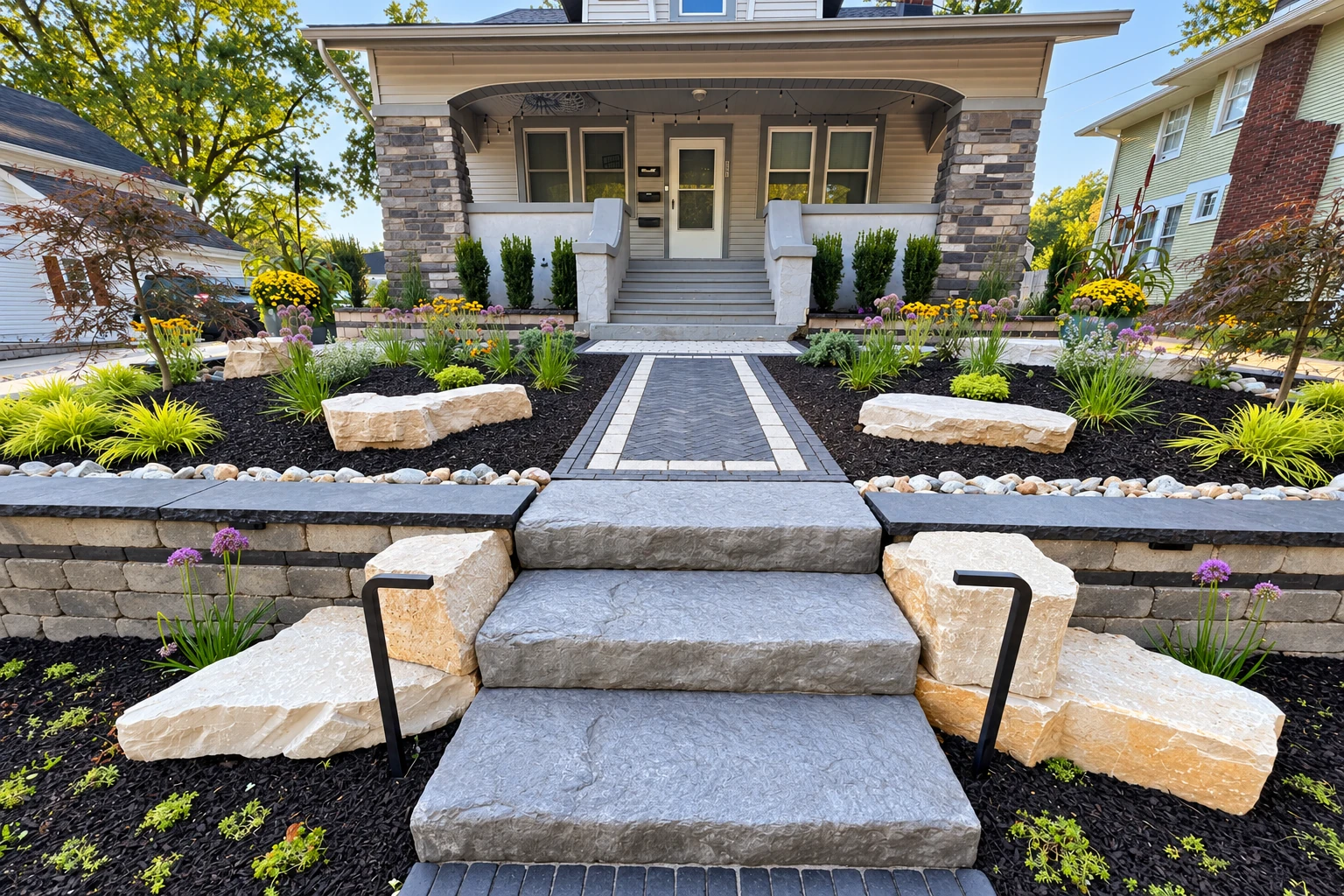
Front walks and side paths in concrete, brick or pavers get a packed base and a slight pitch, so water runs off instead of settling the path.
Garden walls, planters and entry columns in brick go up on a footing, checked straight and level row by row, because brick shows every bit of lean.
Fieldstone, flagstone and cut stone walls, steps and borders are fitted by hand, and we set each piece on a solid bed so it carries weight instead of rocking.
When only a few joints have gone sandy on a step, planter or wall, we rake out and refill just those, which is often all older brick needs.
Send the form and we'll get back to you within one business day. Then I come out, look at the job and give you a free estimate on site, and there's no obligation.
I'd rather tell you a few joints need pointing than sell you a rebuilt wall, and I'll say so plainly at the estimate when that's the case.
If your house is a designated historic property, mention it at the estimate so we can plan for it before any work starts.
If you'd rather talk it over, call (559) 319-0148 between 7 AM and 9 PM on weekdays or 6 AM and 9 PM on weekends, so you can reach us around your own workday.
Here's what people in Parlier usually ask before a wall, chimney or walkway job, from permits to licenses to scheduling.
The City of Parlier's Community Development department handles building for the city, so that's the office to ask whether your wall or chimney job needs a permit. Its page doesn't settle which masonry jobs need one, so we ask rather than guess. When a job needs a permit, we file it and handle the paperwork. You can reach the department at 559-646-3545 Ext. 242.
A contractor needs a California license when the job needs a building permit, uses employee labor, or comes to $1,000 or more in labor and materials together, and they need it before they bid. A larger job can't be broken into smaller pieces to get under that line. We're licensed and insured.
You need to request a noise permit in Parlier 5 days ahead, for any activity that needs one under the city's rules. The city posts that on its Forms & Regulations page. If your job turns out to need one, we put those 5 days into the schedule so the crew isn't stuck waiting at your curb.
Each city below has its own page about the work we do there. If yours isn't listed, call or send the form and ask, since the list isn't everywhere we work.
Call (559) 319-0148 or use the form, since loose mortar caught early is usually a pointing job instead of a rebuild.