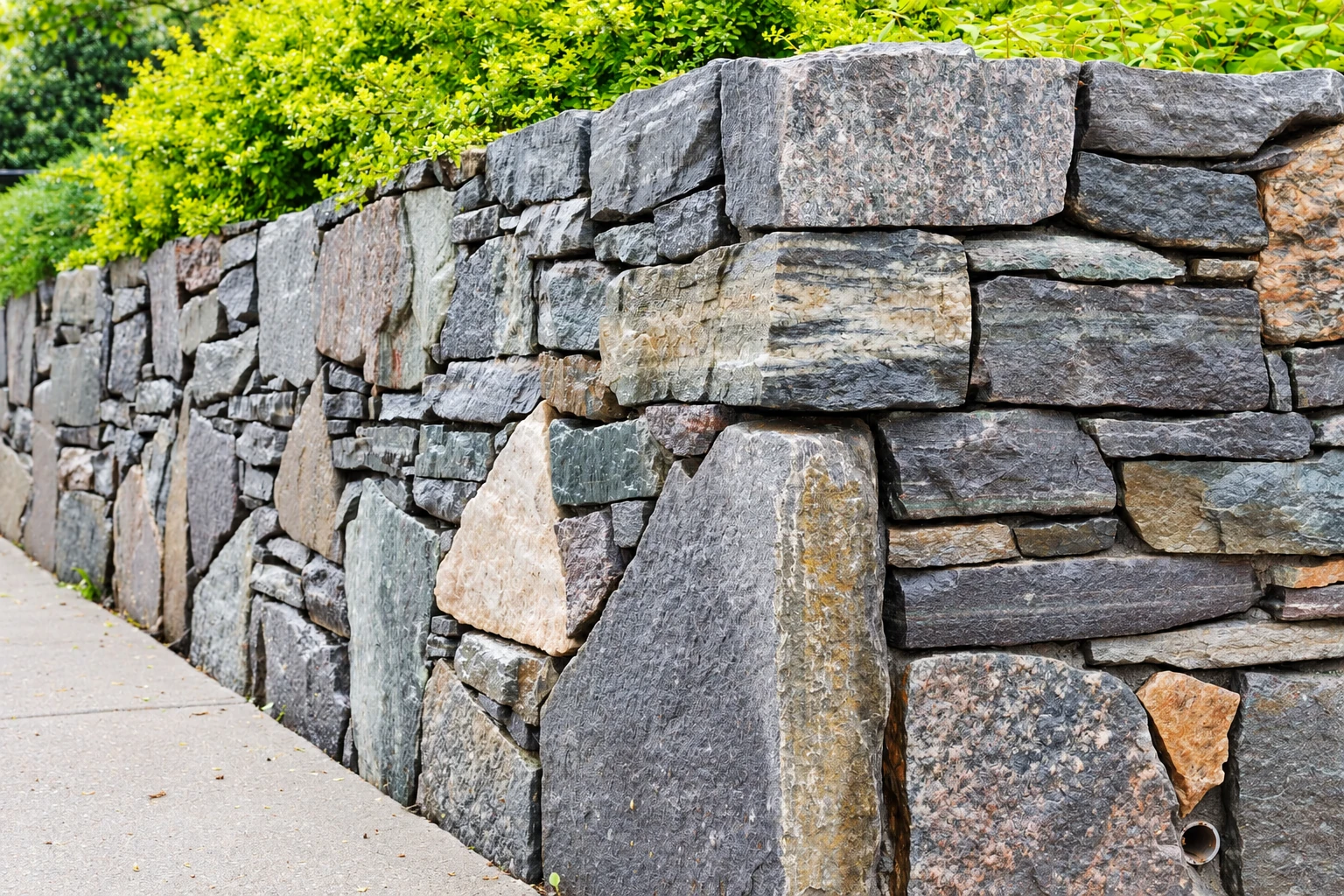
Foundation repair
We look at where the cracks run and what's moving under them before we fix anything, because patching a crack without finding the cause just buys a new one.
Mastercraft Fresno Concrete and Masonry is a masonry contractor based in Fresno that works in Selma, repairing worn mortar and brick, fixing tired chimneys and building block walls, retaining walls, walkways and pavers for Selma homes.
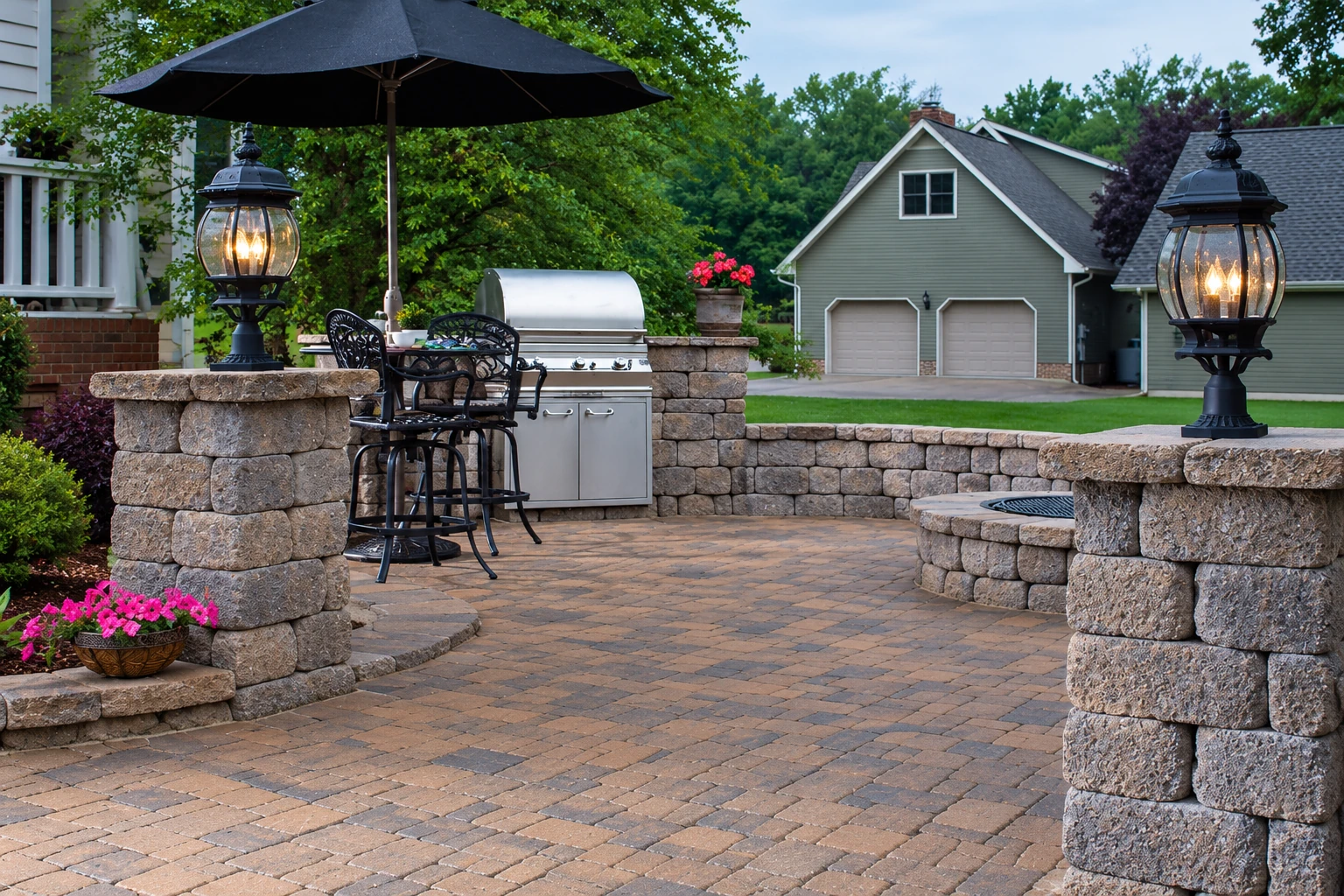
Selma is one of the cities around Fresno we work in, along with Kingsburg and Sanger. The calls here sound like the ones we get at home: crumbling joints on older brick, a chimney that's seen better days and yards that need a wall.
What moves the price is how much of the wall or chimney is really failing, how deep the footing has to go, which material you want and how easy it is to get a crew and a mixer to the spot. The schedule mostly turns on whether the job needs a permit and inspection, and on giving mortar and concrete the time they need before anything goes on top of them. The written estimate gives you your own number. On older brick, the job usually comes down to matching the new mortar to the brick, because mortar harder than the brick pushes the damage into the brick itself.
Commercial work taught me that the footing, the drainage and the mortar mix decide how a wall or a repair holds up, so that's where we spend our time first.
If only a few joints are crumbling, we'll tell you repointing them will do. I'd rather give you the smaller job than sell you a rebuild you don't need.
The work is done by our own crew with a lead mason running the site, so the person who set the job up is there to see it through.
We look at where the cracks run and what's moving under them before we fix anything, because patching a crack without finding the cause just buys a new one.
Loose bricks, cracked crowns and washed-out joints near the roofline get rebuilt from sound masonry up, so the top of your chimney stops letting water into the brick below.
We grind out crumbling mortar joints to sound depth and pack in new mortar matched to your brick, which keeps water out and leaves the brick itself untouched.
Cracked, flaking or loose bricks get cut out and replaced one at a time with brick close in size and color, so the repair blends into your wall.
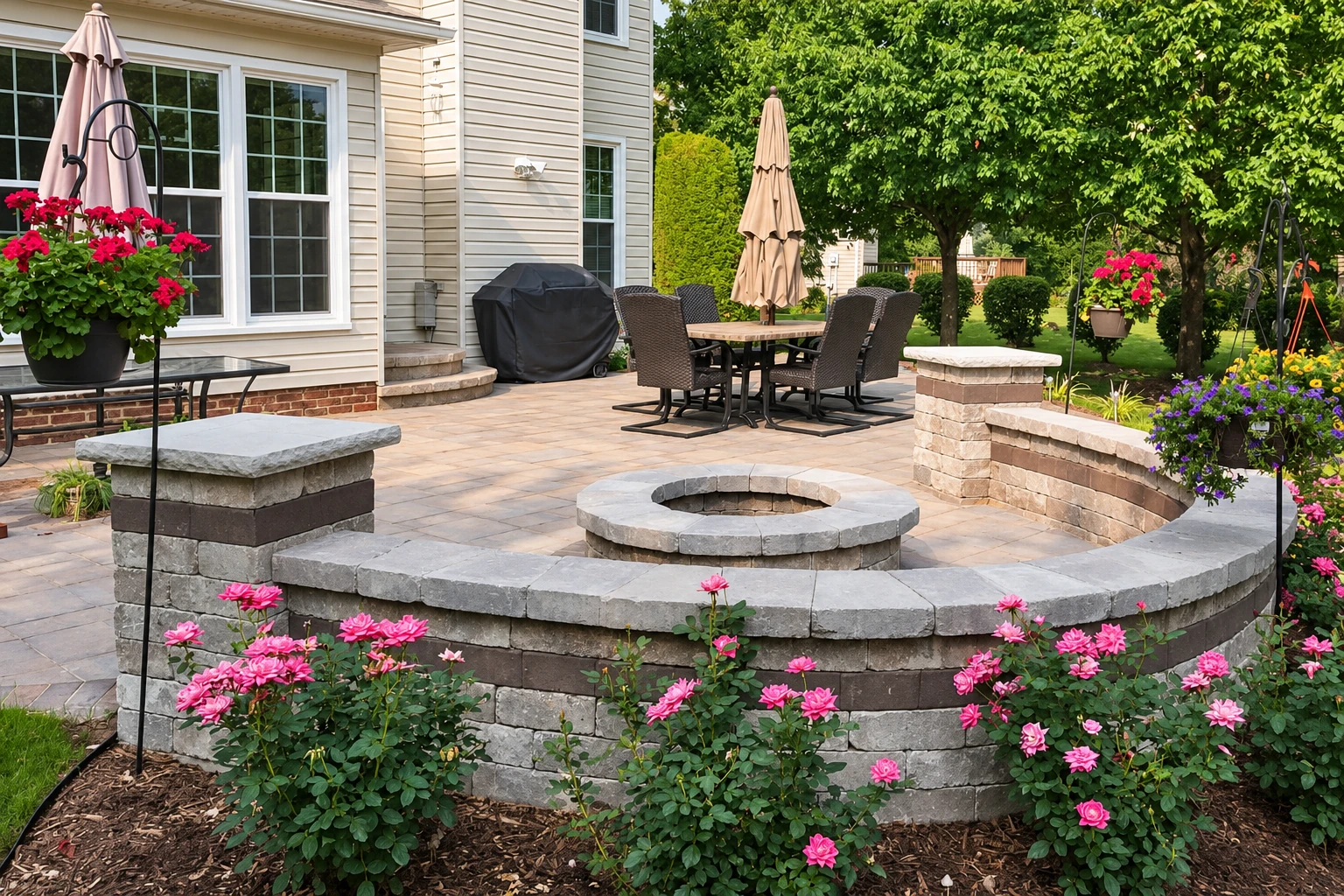
A paver driveway is only as good as the base under it, so we dig out, pack the base in layers and set edging before the first paver goes down.
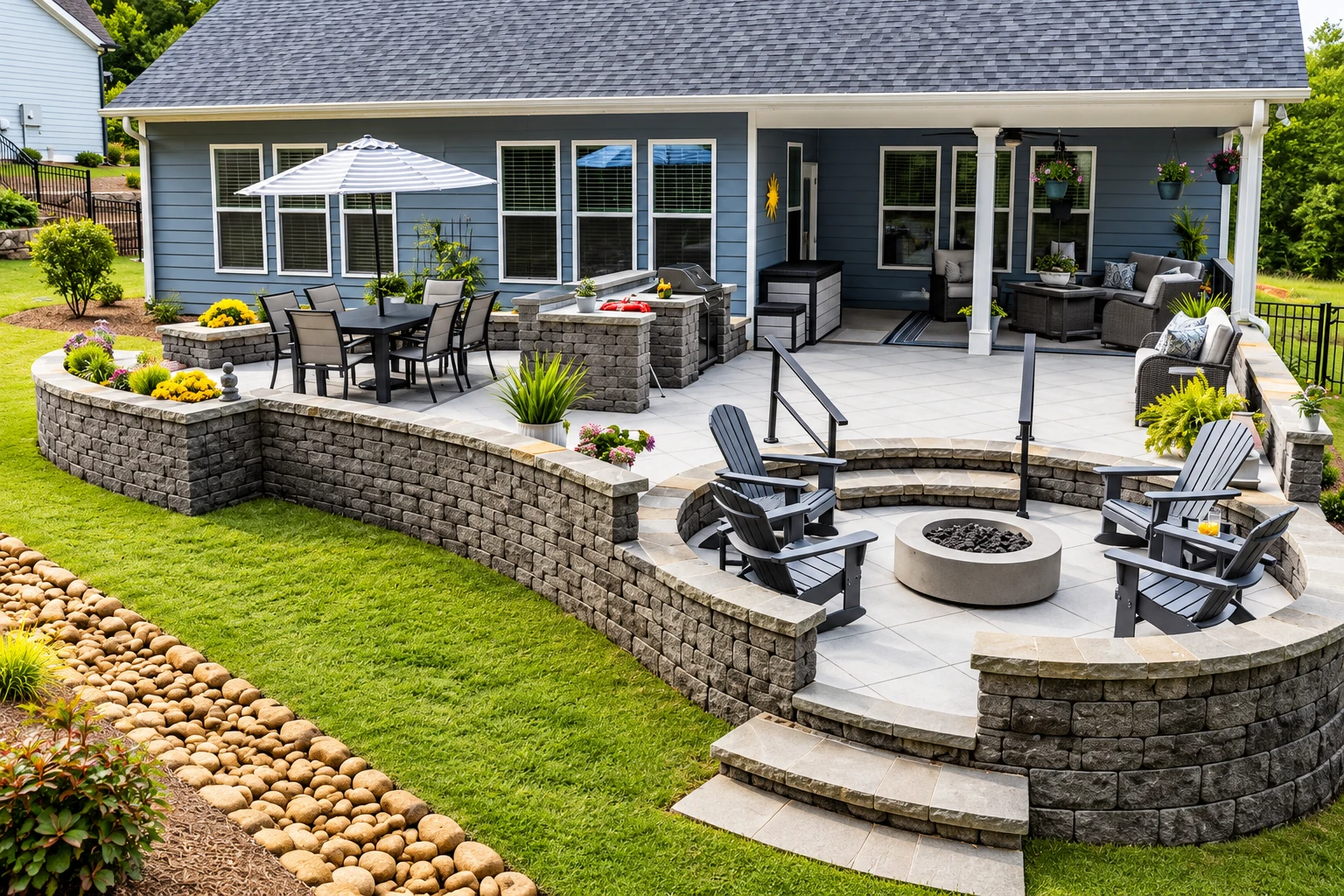
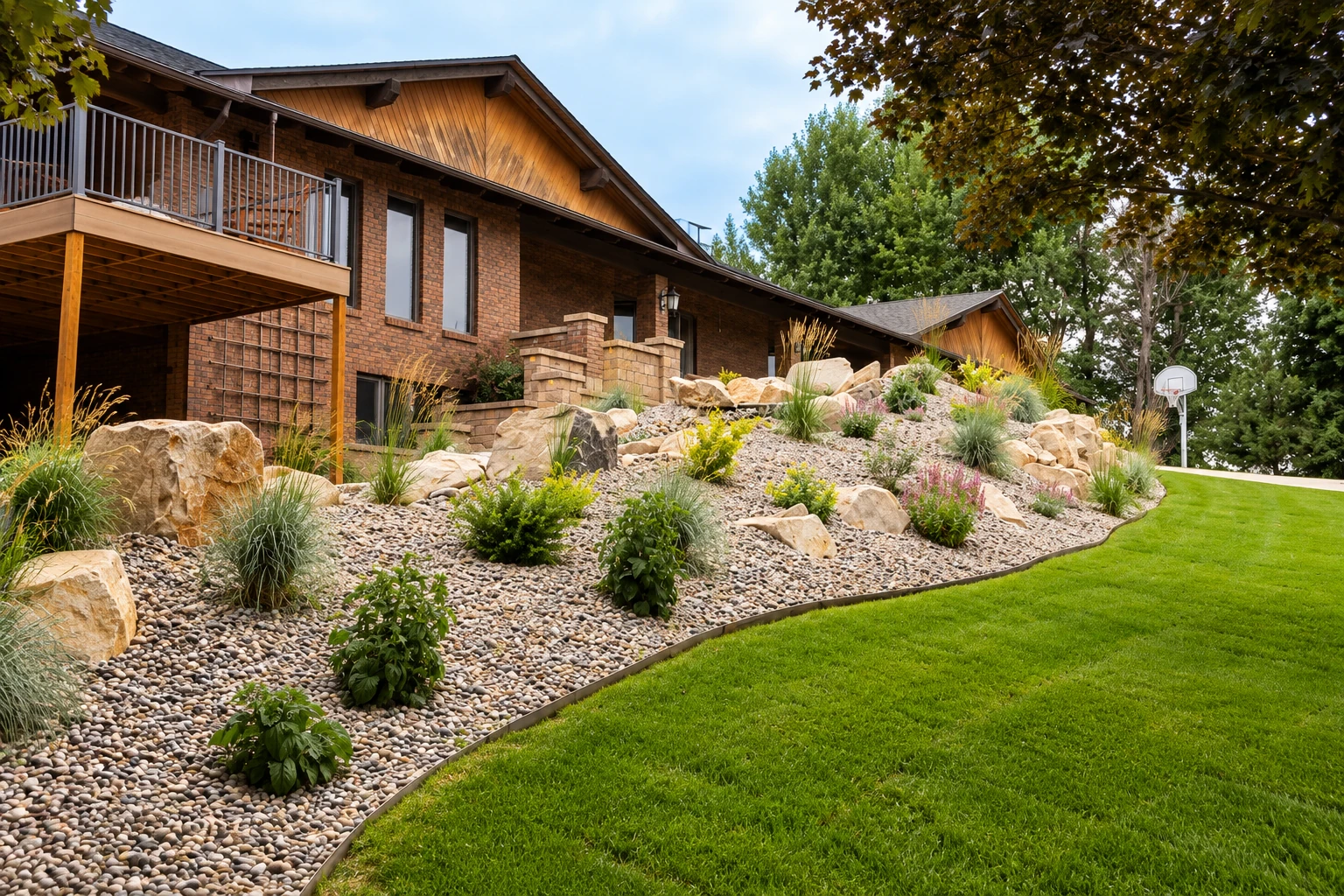
We build retaining walls with a proper footing and drainage behind them, because water trapped behind a wall is what usually pushes it out of line.
On older brick and stone, we repair what's failing and leave what's sound, using mortar soft enough for old brick so the wall keeps its original look.
We build masonry fireplaces from the footing up, laying out the firebox, hearth and surround so the finished fireplace fits the room and draws the way it should.
Stone veneer, thin stone set onto an existing wall, goes over a backing we prep first with a path for water to drain, so moisture doesn't get trapped behind it.
Block walls for yards and property lines go up on a solid footing, with steel and grout where the wall calls for it, so they stay straight and solid.
We lay foundation block walls true and level, with the footing checked before the first row, because any error down there shows up in everything built above.
We build the block or brick base for outdoor kitchens and grills, leaving openings sized for the appliances you've picked, so the fit is right when they go in.
Brick, stone and paver walkways get a packed base and a slight slope away from the house, so water runs off instead of sitting against your foundation.
New brick walls and garden walls go up on a footing sized for the wall's height, with mortar joints pressed smooth so they shed water instead of holding it.
Natural stone walls, steps and accents get each stone fitted and set in mortar suited to it, so the joints stay tight and the stones stay put.
Pointing refills worn mortar joints before water gets into the wall, and catching joints early is often a much smaller job than repairing the brick later.
Send the form and we'll get back to you within one business day to set a time. I come out, look at the job and give you a free written price, with no obligation.
I come out, measure and look at what's under the problem, not just the surface, then write the estimate myself so nothing gets lost between the visit and your price.
If your Selma house is a designated historic property, mention it when I'm out there, so we can plan the job around it from the start instead of partway through.
It's how we've run the business since 2013, and it's why the prep gets as much care as the part you see when we're done.
Here are the questions Selma homeowners ask most about permits, licenses and what to check before a masonry job starts.
If the work builds, alters, repairs, moves or removes a structure, Selma's rule calls for a building permit. The city notes some exceptions and asks owners to check with its Building Division, which issues permits and inspects the work once a permit is issued. When your job needs a permit, we file it and handle the paperwork.
No, the city lists cosmetic work like painting, new floor coverings and trim work as needing no permit. Rebuilding a chimney, setting new brick or putting up a wall is a different kind of job, because it changes a structure. If you're not sure which side your project falls on, ask at the estimate and we'll check with the city.
The state licensing board requires a license when a project needs a building permit, uses any additional workers, or totals $1,000 or more in labor and materials. Selma also asks any business working inside city limits to get a city business license first. We're licensed and insured, and it's fair to ask any contractor you're weighing about both.
These are the cities with their own page on our site, and we work in others around Fresno too. Call or send the form to ask about your address.
Call (559) 319-0148 or use the form, describe the job, and ask whether it needs a Selma permit so we can plan for it.